
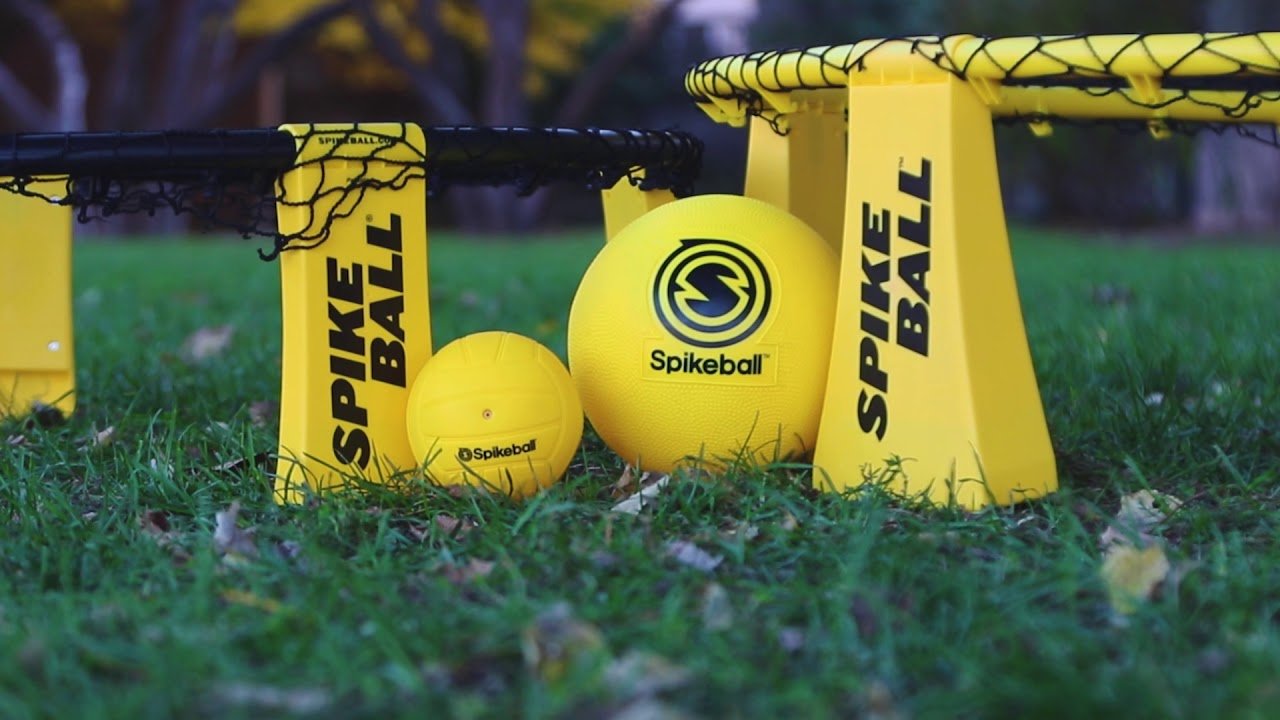

When Spikeball first hit the courts (or rather, backyards and beaches), no one could have predicted how fast it would spike its way into mainstream culture. What started as a modern take on a 1989 game called roundnet has become one of the biggest recreational sport success stories of the past decade. And a major part of that rise? Its unforgettable appearance on Shark Tank in 2015.
The Birth of Spikeball: From Roundnet to a Modern Classic
Spikeball was reintroduced in 2008 by entrepreneur Chris Ruder, who saw potential in reviving the fun, fast-paced game he loved as a kid. By rebranding roundnet with a catchy name, sleek design, and community-driven vibe, Ruder gave the game a fresh identity — one that would soon attract players across the U.S.

But even though the product was innovative and addictive, it wasn’t until Shark Tank came calling that the brand exploded into public consciousness.

The Shark Tank Deal That Changed Everything
In 2015, Chris Ruder and co-founder Jeff Knurek stepped onto the Shark Tank stage to pitch Spikeball. They asked for $500,000 in exchange for 10% equity. After a heated back-and-forth among the Sharks, Daymond John struck a deal — $500,000 for 20% — giving Spikeball both the investment and business expertise it needed to grow.

That episode wasn’t just good TV — it was life-changing for Spikeball. Within a year of airing, the company’s revenue skyrocketed to $13 million, as reported by Forbes. The Shark Tank effect had officially kicked in, with sales soaring online and through retailers like Target and Dick’s Sporting Goods.

Spikeball Net Worth in 2025
Fast forward to 2025, and Spikeball’s estimated net worth stands at around $45 million. The company’s success can be attributed to its strong brand identity, community-first marketing, and the evolution of Spikeball into a legitimate sport with organized leagues, tournaments, and even international championships.

It’s no longer just a fun backyard pastime — it’s a competitive global sport with an estimated 4 million players worldwide.
Smart Moves After Shark Tank
Rather than relying solely on TV fame, Spikeball built a passionate fan base through smart, grassroots marketing:
- Social media domination: Spikeball’s content strategy on TikTok, YouTube, and Instagram turned casual players into loyal fans.
- Influencer partnerships: Collaborations with athletes and creators helped the brand reach new audiences.
- Tournaments and leagues: Spikeball organized national events, transforming casual players into serious competitors and reinforcing its image as a real sport.
Spikeball’s Legacy and Future
From a Shark Tank pitch to a $45 million brand, Spikeball’s story proves how exposure, innovation, and community can turn a simple idea into a global movement. The company continues to innovate — launching new product lines and expanding internationally.
Its journey is more than just a business success — it’s a lesson in how a strong brand, smart partnerships, and relentless passion can take something small and make it spike worldwide.