
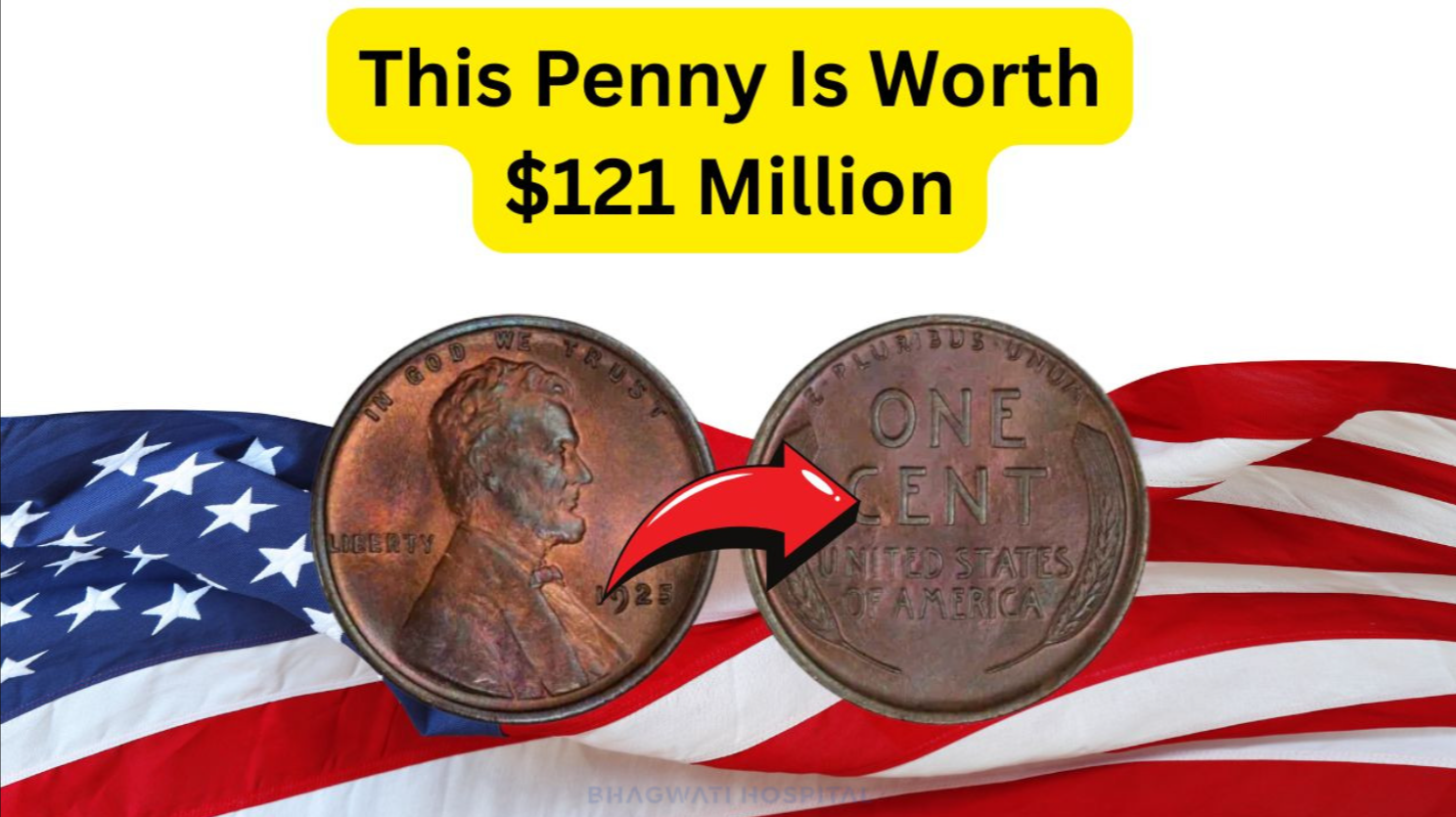

Imagine finding a small copper coin in your wallet that could change your life. It sounds like a dream, but for coin collectors, that dream is very real. The Lincoln Wheat Penny, a humble one-cent coin minted between 1909 and 1958, has become one of the most sought-after treasures in American numismatic history. Some rare versions of this penny have fetched prices worth millions—one even valued as high as $121 million! Let’s uncover what makes certain Lincoln Wheat Pennies so valuable, how to identify them, and where you might find one.
What Is a Lincoln Wheat Penny?
The Lincoln Wheat Penny was first introduced in 1909 to celebrate the 100th anniversary of Abraham Lincoln’s birth. Designed by Victor David Brenner, the coin features Lincoln’s portrait on the front (obverse) and two wheat stalks on the back (reverse), symbolizing prosperity and unity.
While most of these coins remain worth their face value of one cent, a few rare editions hold extraordinary worth due to limited minting, production errors, and unique materials used during their time. These rare versions have made headlines, turning casual coin finders into millionaires overnight.

Why Some Lincoln Wheat Pennies Are Worth Millions
Not every Wheat Penny will make you rich, but certain variations can bring life-changing value. Here’s why:
1. Rarity and Low Mintage
Some years had extremely limited production. For instance, the 1909-S VDB penny—minted in San Francisco with only 484,000 coins—has become a legend among collectors.

2. Minting Errors
Errors can make a coin unique and extremely valuable. The 1955 Double Die Penny, where the date and lettering appear doubled, is a perfect example and can sell for over $125,000 depending on condition.
3. Historical Significance
Pennies made during key historical moments, like the 1943 steel and bronze editions, hold special value. During World War II, copper was reserved for ammunition, so pennies were struck in steel. A few bronze ones were accidentally minted—those are now worth millions.

4. Condition and Grade
Collectors pay top dollar for well-preserved coins. Professional grading services like PCGS or NGC evaluate coins based on wear, luster, and sharpness. A high-grade coin can multiply its value exponentially.
Top 5 Most Valuable Lincoln Wheat Pennies
| Year | Mint Mark | Key Feature | Estimated Value |
|---|---|---|---|
| 1909-S | VDB | Designer initials on reverse | Up to $2.5 million |
| 1943 | Bronze | Rare bronze error | Up to $121 million |
| 1955 | Double Die | Doubled lettering | Up to $125,000 |
| 1922 | No D | Missing mint mark | Up to $500,000 |
| 1914-D | D | Low mintage | Up to $300,000 |
The Legendary 1943 Bronze Penny
Among all rare Wheat Pennies, the 1943 Bronze Lincoln Penny is the ultimate collector’s prize. During the war, the U.S. Mint used zinc-coated steel instead of copper, but a few bronze planchets (metal blanks) mistakenly made it through the presses.

These bronze versions are incredibly rare—only a handful exist. One of them sold for a record-breaking $121 million, making it the most valuable penny in history. If your 1943 penny doesn’t stick to a magnet, you might be holding one of these priceless errors.
How to Spot a Valuable Lincoln Wheat Penny
To identify whether you’ve got a potential jackpot in your pocket, follow these steps:

- Check the Date and Mint Mark: Look for years like 1909, 1914, 1922, 1943, and 1955. The mint mark (S, D, or none) appears below the date.
- Look for Errors: Doubled letters, missing marks, or misprints can drastically increase a coin’s worth.
- Test the Material: A 1943 penny that isn’t magnetic could be the ultra-rare bronze type.
- Evaluate Condition: A clean, well-preserved coin with clear detail is always worth more.
Where to Find These Rare Pennies
You don’t need to be a professional collector to find valuable coins. Here’s where they often turn up:
- In Pocket Change: Believe it or not, some rare Wheat Pennies are still in circulation.
- Coin Rolls from Banks: Searching rolls of pennies is a popular and rewarding hobby.
- Estate Sales or Flea Markets: Old collections often hide valuable surprises.
- Inherited Coin Jars: Your grandparents’ change jar could hold hidden treasure.
What to Do If You Find One
If you believe you’ve found a rare Lincoln Wheat Penny:
- Don’t Clean It! Cleaning can reduce the coin’s value.
- Store It Properly: Use a soft holder or coin capsule.
- Get It Appraised: Contact a certified coin dealer or grading service.
- Sell Wisely: Reputable auction houses can help you secure the best price.
The Lincoln Wheat Penny isn’t just a coin—it’s a piece of American history that might be worth a fortune. From the 1909-S VDB to the legendary 1943 Bronze Penny, these coins prove that even the smallest treasures can carry immense value.
So next time you get change, take a closer look—you might just be holding a piece of history worth millions.