
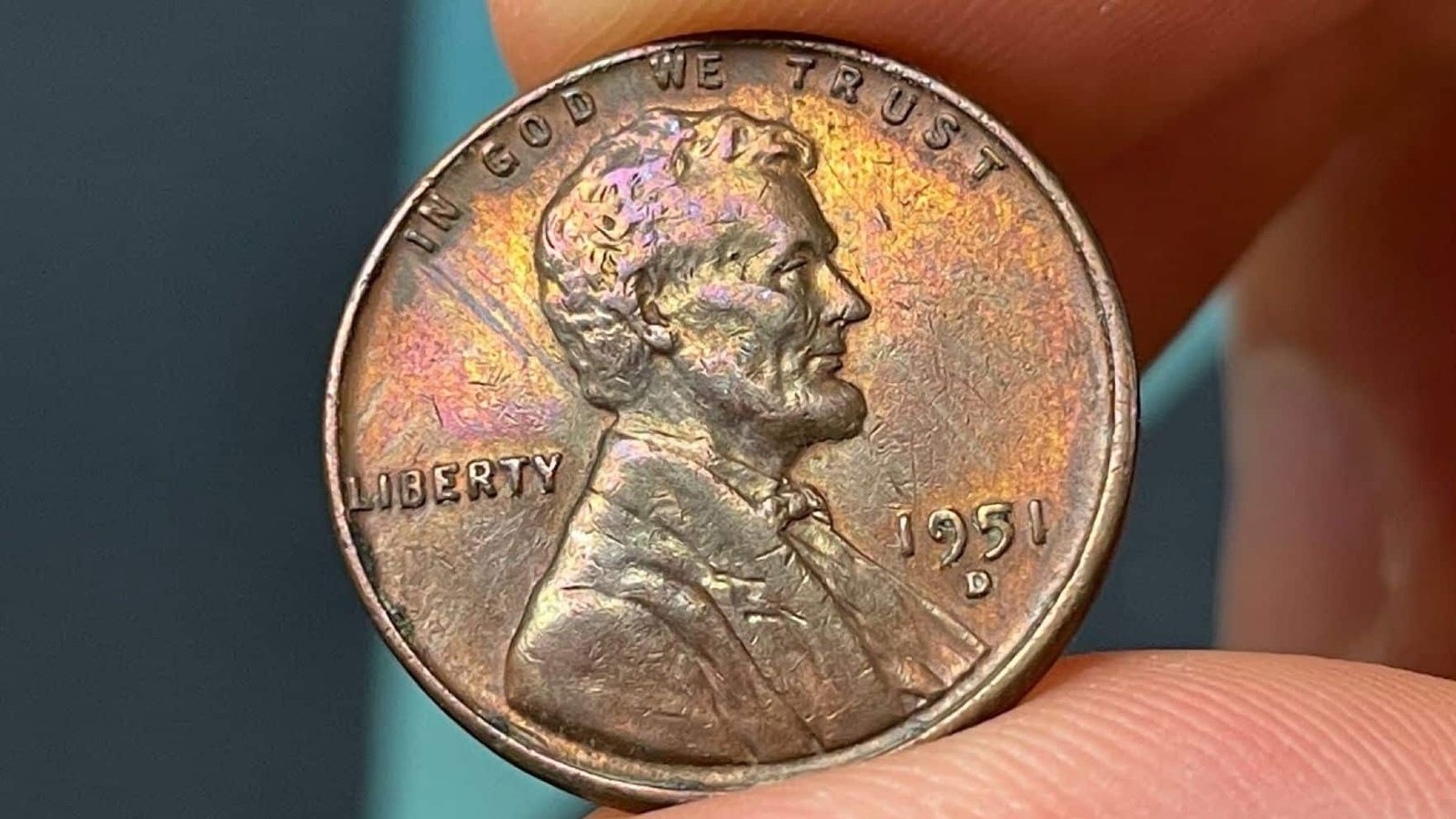

Imagine scooping a handful of pocket change from an old jar and finding a dusty little penny that could buy a house. Sounds like a movie plot, but that’s the real-world drama behind the Lincoln Wheat Penny — especially the infamous 1943 copper error that recently made headlines when a Denver-struck specimen reportedly sold for $3.6 million. This guide digs into the Wheat Penny’s origin story, why a handful of wartime mistakes are worth fortunes, how to spot a potential jackpot in your change, and the smart next steps if you find one.
How the Lincoln Wheat Penny Became America’s Favorite Little Time Machine
The Lincoln Wheat Penny debuted in 1909 to honor Abraham Lincoln’s 100th birthday, and that simple decision changed U.S. coinage forever. Victor David Brenner’s clean-profile portrait of Lincoln on the obverse and two wheat stalks framing “ONE CENT” on the reverse created the nickname collectors still use: the “Wheatie.” The design spoke to an agricultural, hopeful America and stayed in circulation from 1909 through 1958.
Early drama came fast: Brenner’s initials “V.D.B.” on the reverse caused an outcry and were removed the same year, only to reappear subtly on the obverse in 1918. Small design shifts like that—and the huge production run across five decades—mean there are endless varieties for collectors to hunt. Some are common and worth cents; others are scarce and worth serious money. The Wheat Penny isn’t just change. It’s a century of U.S. history in your hand.

War, Metal Shortages, and the Mistake That Made Millions
World War II rewired U.S. minting priorities. Copper was urgently needed for ammunition and electronics, so the Mint switched to zinc-coated steel planchets in 1943. The result: silvery, magnetic pennies that look nothing like their usual copper cousins. Over a billion steel cents were struck that year.
But in the chaos of ramped-up wartime production, a tiny number of copper blanks were accidentally used, producing 1943 pennies in bronze. Those errors are vanishingly rare—experts estimate only about 20 exist across all mints—and when one is in exceptional condition, collectors pay astonishing sums. Condition matters more than almost anything else in numismatics; a pristine 1943-D bronze graded MS-67+ RD reportedly topped auction charts at about $3.6 million, a result of rarity, historical intrigue, and near-perfect survival.

Quick Table: Key Lincoln Wheat Penny Dates and What to Watch For
| Year & Mint Mark | Why It’s Notable | Typical Circulated Value | Top Mint-State Value / Notable Auction |
|---|---|---|---|
| 1909-S VDB | First year; designer initials; low mintage | $800–$2,000 | $5,000–$100,000+ |
| 1914-D | Very low Denver mintage | $150–$500 | $2,000–$20,000 |
| 1922 No D | Missing mint mark variety | $500–$1,500 | $10,000–$50,000 |
| 1931-S | Depression-era low mintage | $50–$200 | $500–$5,000 |
| 1943 Bronze (all mints) | WWII copper error; ~20 known | $10,000–$50,000 | $500,000–$3.6M+ |
| 1955 Doubled Die | Dramatic doubling on obverse | $1,000–$3,000 | $10,000–$125,000 |
How to Tell If a Wheatie in Your Jar Is Worth Inspecting
You don’t need a lab to spot potential winners — you need attention to detail and patience. Start here:
• Date: Anything dated 1958 or earlier is a Wheat Penny. After 1959 the reverse changed to the Lincoln Memorial.
• Color and magnetism: 1943 steel cents are silvery and magnetic; a reddish-brown 1943 is the suspicious bronze error. Use a magnet — steel will stick, copper won’t.
• Mint mark: Look under the date for “D” (Denver) or “S” (San Francisco); Philadelphia often has no mark. Some rare varieties are tied to specific mints.
• Doubling and errors: Use a loupe or magnified phone photo to hunt for doubled letters, off-center strikes, or weak/missing details.
• Condition: Red, original surfaces command premium prices. Never clean a coin — cleaning destroys value.
If a coin ticks multiple boxes (rare date, odd composition, mint mark, and great condition), it’s time for professional authentication.

FAQs
How do I know if my 1943 penny is the rare bronze error?
Check color (copper-red), test with a magnet (copper won’t stick), and weigh it if possible.
Should I clean a dirty Wheat Penny before selling?
No. Never clean coins. Cleaning usually destroys collector value.

Where can I get a coin graded?
Professional Coin Grading Service (PCGS) and Numismatic Guaranty Corporation (NGC) are industry standard grading houses.
How common are genuine 1943 bronze pennies?
Extremely rare—experts estimate roughly 20 across all mints, making them among the most sought-after U.S. coin errors.