
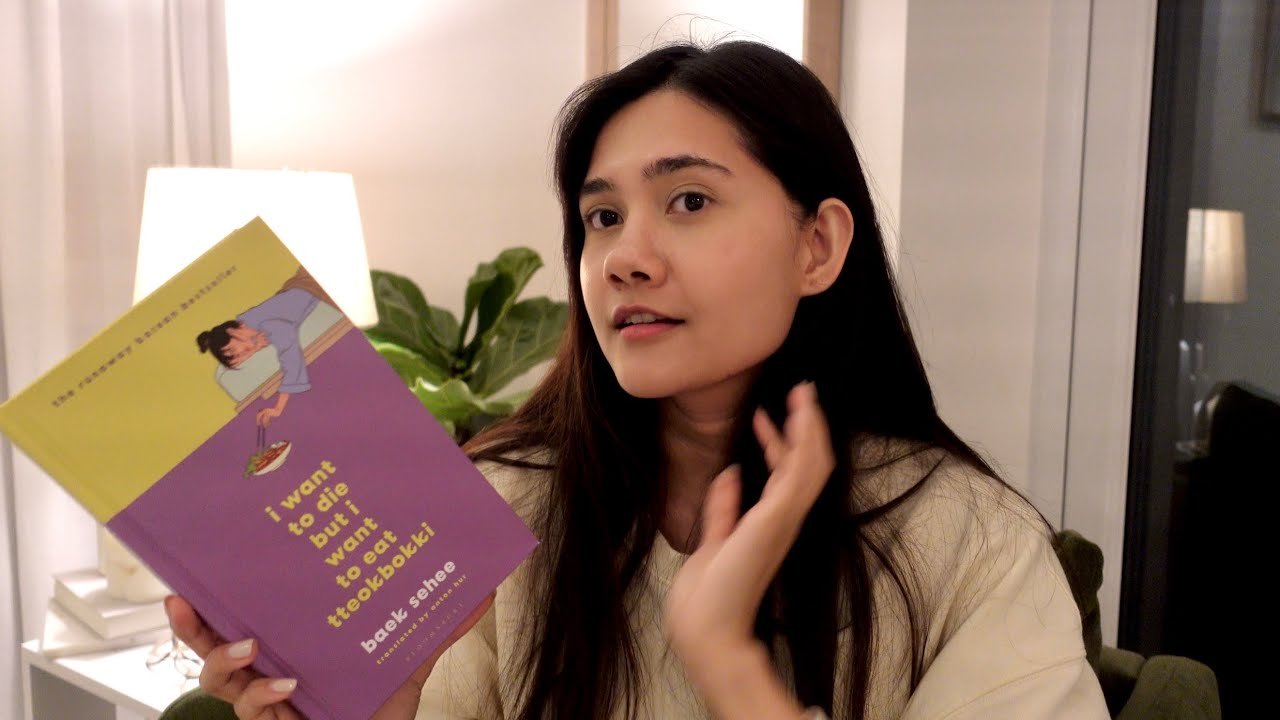

Baek Se-hee (Korean: 백세희), born in 1990, is a South Korean essayist and memoir author known for her candid explorations of mental health. Before becoming a published writer, she worked for five years at a publishing house after completing a university degree in creative writing.
She came to prominent attention for her memoir I Want to Die but I Want to Eat Tteokbokki (2018), which chronicles her decade-long struggle with dysthymia (persistent, low-level depression) and her therapy journey. The book’s unique structure—interweaving transcripts of sessions with her psychiatrist and reflective essays—struck a chord with many readers in Korea and beyond.

Mental Health, Memoir & Impact
Baek spent roughly ten years receiving psychiatric treatment, which she later turned into a deeply personal narrative. In I Want to Die but I Still Want to Eat Tteokbokki, the sequel, she continues to document her inner life—struggles, small recoveries, and evolving self-awareness.

Her writing resonates because it doesn’t shy away from vulnerability or shame. In interviews, Baek has spoken of feeling “between two places” — not quite broken but not fully at peace either — and of how revealing what she wants to hide gives her freedom.

Her work has transcended Korea. I Want to Die but I Want to Eat Tteokbokki has been translated into multiple languages (English version released in 2022) and sold strongly overseas, helping destigmatize mental health conversations in societies where they are often silenced.

Personal Details & Style
Baek’s favorite food is tteokbokki (spicy rice cakes), a detail she includes as a comforting anchor amid darker reflections. She also has a rescue dog named Jaram, whom she often mentions affectionately.

In interviews and essays, she describes herself as a “regular person” who found meaning in literature, emotion, and connection.
Why Baek Se-hee Matters
Baek Se-hee’s significance lies in the bravery of her voice. In a culture and global moment where mental health is still taboo in many places, she opened a window for conversation. By blending memoir, therapy transcripts, and essay, she created a style that feels like both confession and guidance.
Many young readers feel seen in her pages—not because she offers clichés or easy solutions, but because she offers honesty. Her influence extends beyond sales: in Korea and internationally, she’s sparked dialogues about therapy, depression, and how to balance public façade and private pain.