
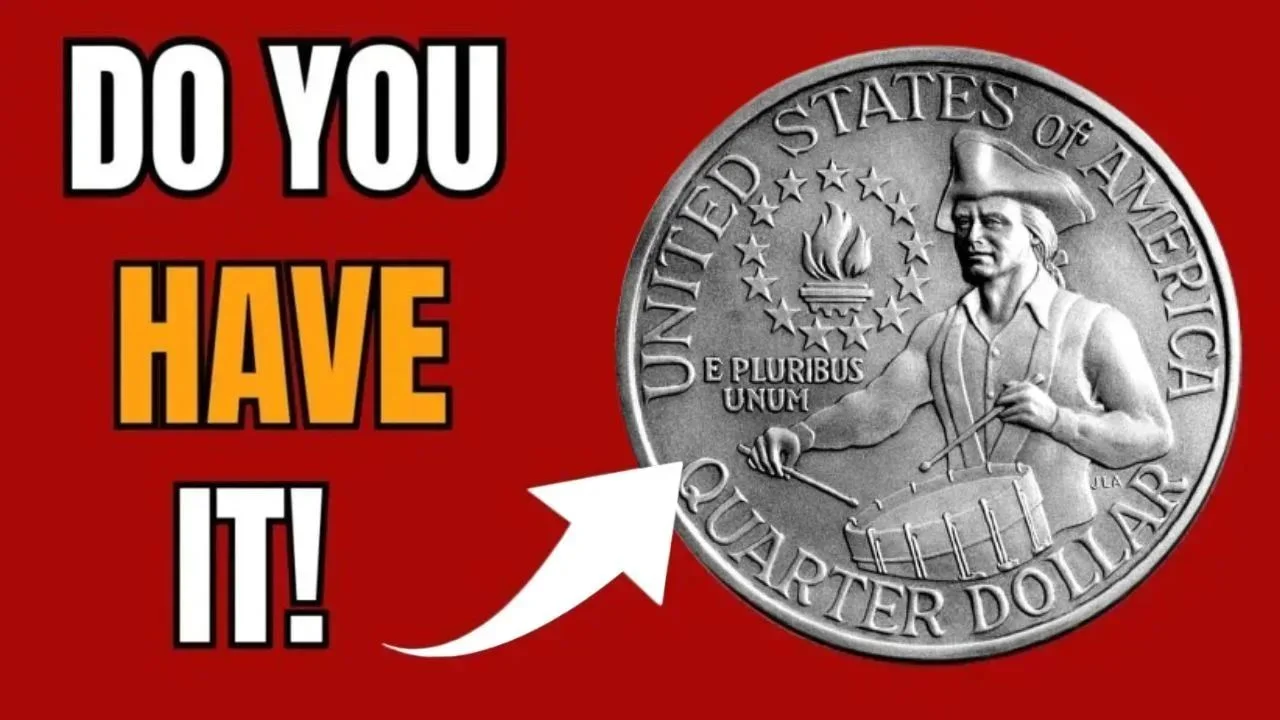

Coin collecting, or numismatics, is more than just a hobby — it’s a journey through history, design, and discovery. One story that’s caught the attention of collectors and casual enthusiasts alike is that of the 1976 Bicentennial Quarter. While most are worth only 25 cents, a select few carry a minting error that could make them worth hundreds, even thousands of dollars. Let’s uncover what makes this coin so intriguing and how you can tell if you have a rare one.
Why the 1976 Bicentennial Quarter Is So Special
The 1976 quarter was released to celebrate America’s 200th birthday. Unlike regular quarters, it features a colonial drummer boy on the reverse side and bears the dual date 1776–1976. Over a billion of these coins were minted, making them common — but among them, a handful feature a “Double Die Obverse” error.

This error happens when the coin’s die shifts slightly during the minting process, causing parts of the design, such as the words LIBERTY or IN GOD WE TRUST, to appear doubled. These doubled details are what collectors go crazy for.

The Story Behind the Coin
Back in the 1970s, the U.S. Mint produced millions of Bicentennial coins, including quarters, half dollars, and dollars. Designed by artist Jack L. Ahr, the drummer boy design symbolized patriotism and celebration. But during this massive production push, a few dies developed alignment flaws — and before they were replaced, some of those flawed coins made their way into circulation. Those are the treasures collectors hunt for today.

How Much Could It Be Worth?
Let’s be real — not every 1976 quarter will make you rich. The value depends on condition, rarity, and demand.

- A circulated double die quarter might fetch between $50 and $200.
- An uncirculated or graded version by services like PCGS or NGC could be worth thousands.
- Only a few flawless, mint-state coins have reached five-figure prices at auction.
So while million-dollar claims online are exaggerated, owning one of these rare coins can still be a thrilling and valuable find.

How to Spot the Rare Double Die Error
If you want to hunt for one, here’s how to start:
- Examine the front (obverse) — look closely at the words LIBERTY and 1776–1976 for any doubling.
- Use magnification tools like a jeweler’s loupe to check fine details.
- Compare your coin with reference images from PCGS or NGC websites.
- Beware of machine doubling, which looks similar but isn’t valuable.
- Get it graded if you suspect you’ve found a genuine error — certification adds legitimacy and boosts market value.
The Joy Is in the Hunt
Finding a rare coin isn’t easy — but that’s what makes it exciting. Whether or not you strike gold, coin collecting teaches patience, observation, and appreciation for small details in everyday life. So the next time you receive change, take a second look at your quarters. Who knows? You might be holding a small piece of American history worth far more than you think.